
Global Design System
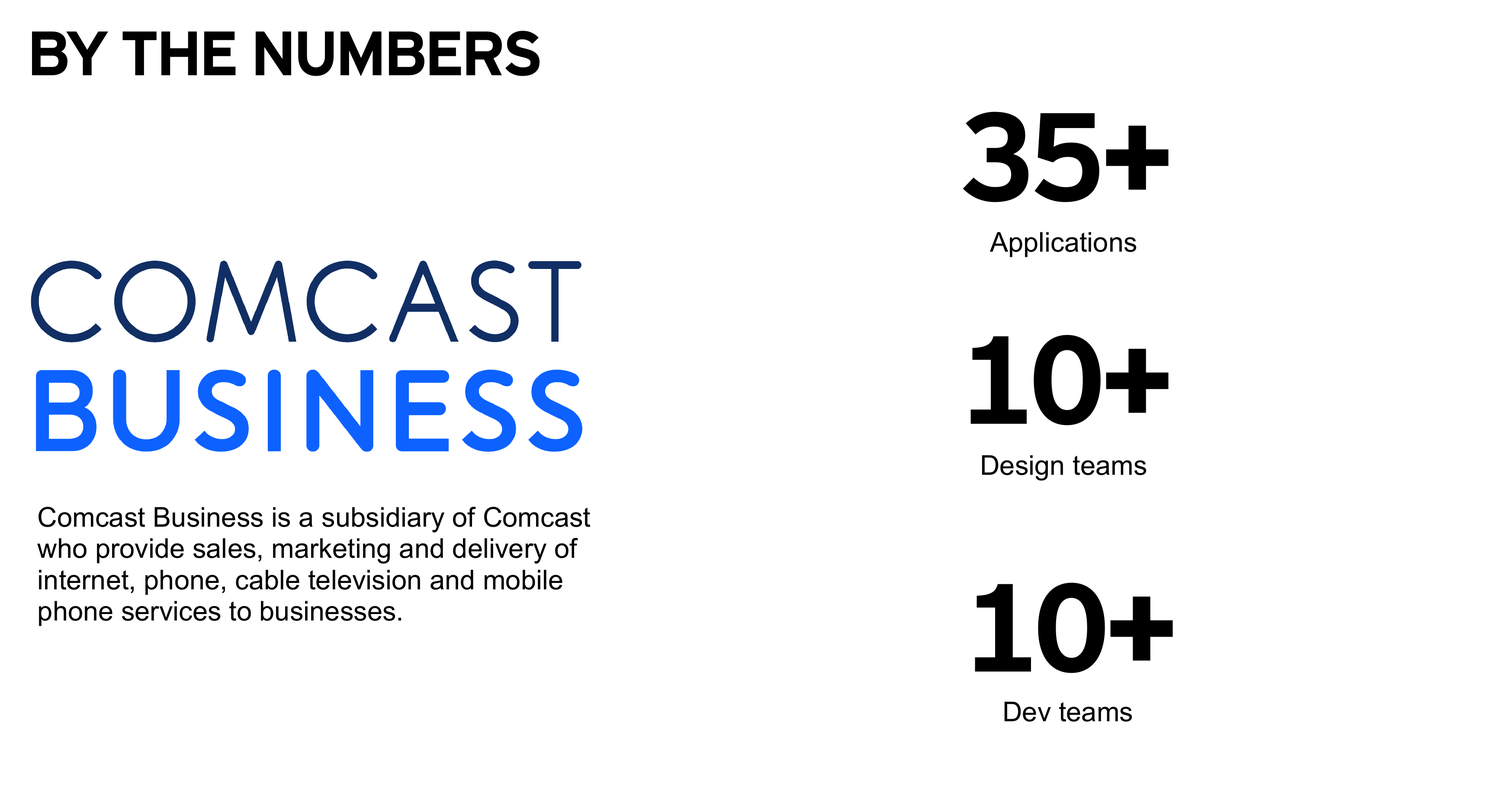
A design system for 35+ apps, where the components were the straightforward part and adoption was the entire job.
| Client | Comcast Business |
|---|---|
| Role | Design System Lead |
| Team | 6-8 (UX/UI designers, component librarian, developers, project manager) |
| Timeline | 2 years (2021-2023) |
| Scope | System strategy, governance, component library, design tokens, documentation, adoption and deployment planning |
| Methods | Design audit, atomic design methodology, sprint-based component build, design governance, token pipeline, rollout planning |
| Status | Shipped : MVP adoption scheduled into 2023 program roadmaps |
“A design system nobody adopts is just a very tidy opinion.”
The problem
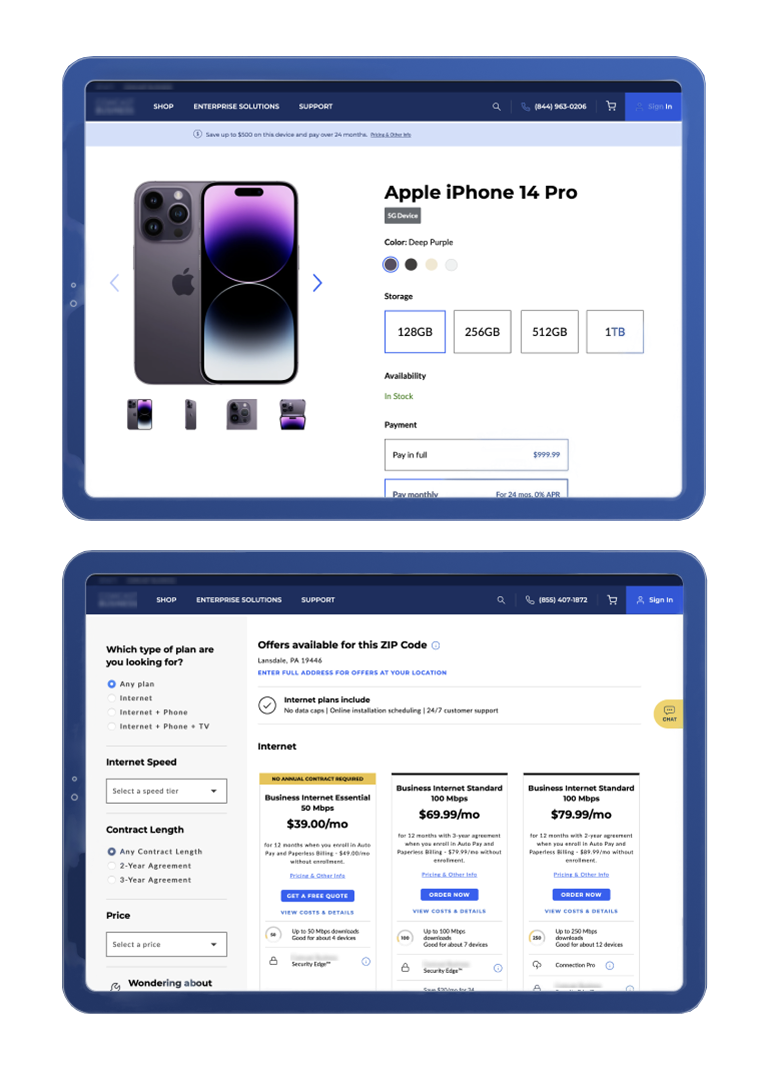
Comcast Business ran 35+ applications across 10 design teams and 10 development teams with no shared system. Design and code had drifted apart, a rebrand was landing that the digital products could not absorb, and the guidelines that did exist sat behind SSO, invisible to the agencies and contractors producing much of the work.
The approach
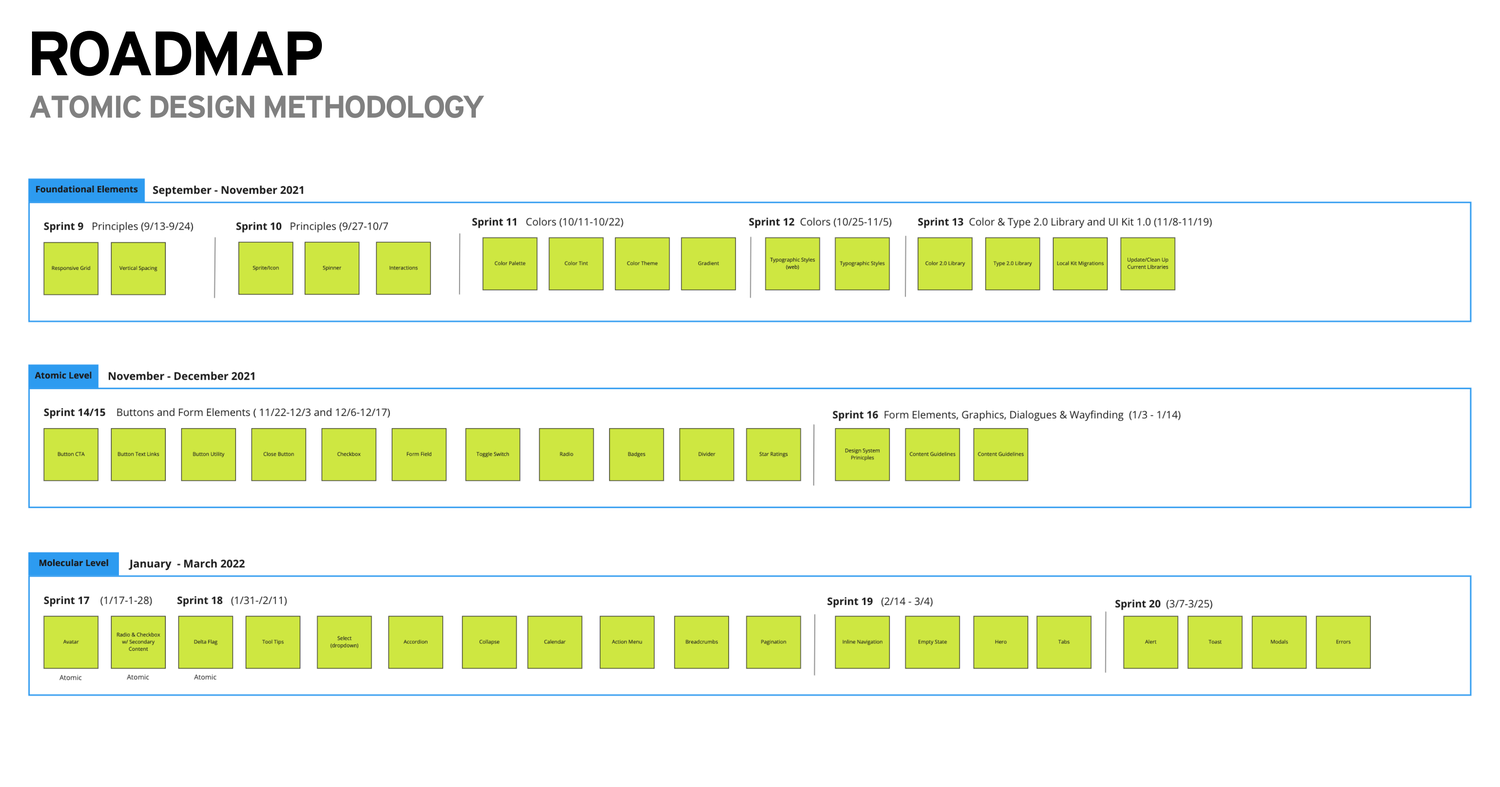
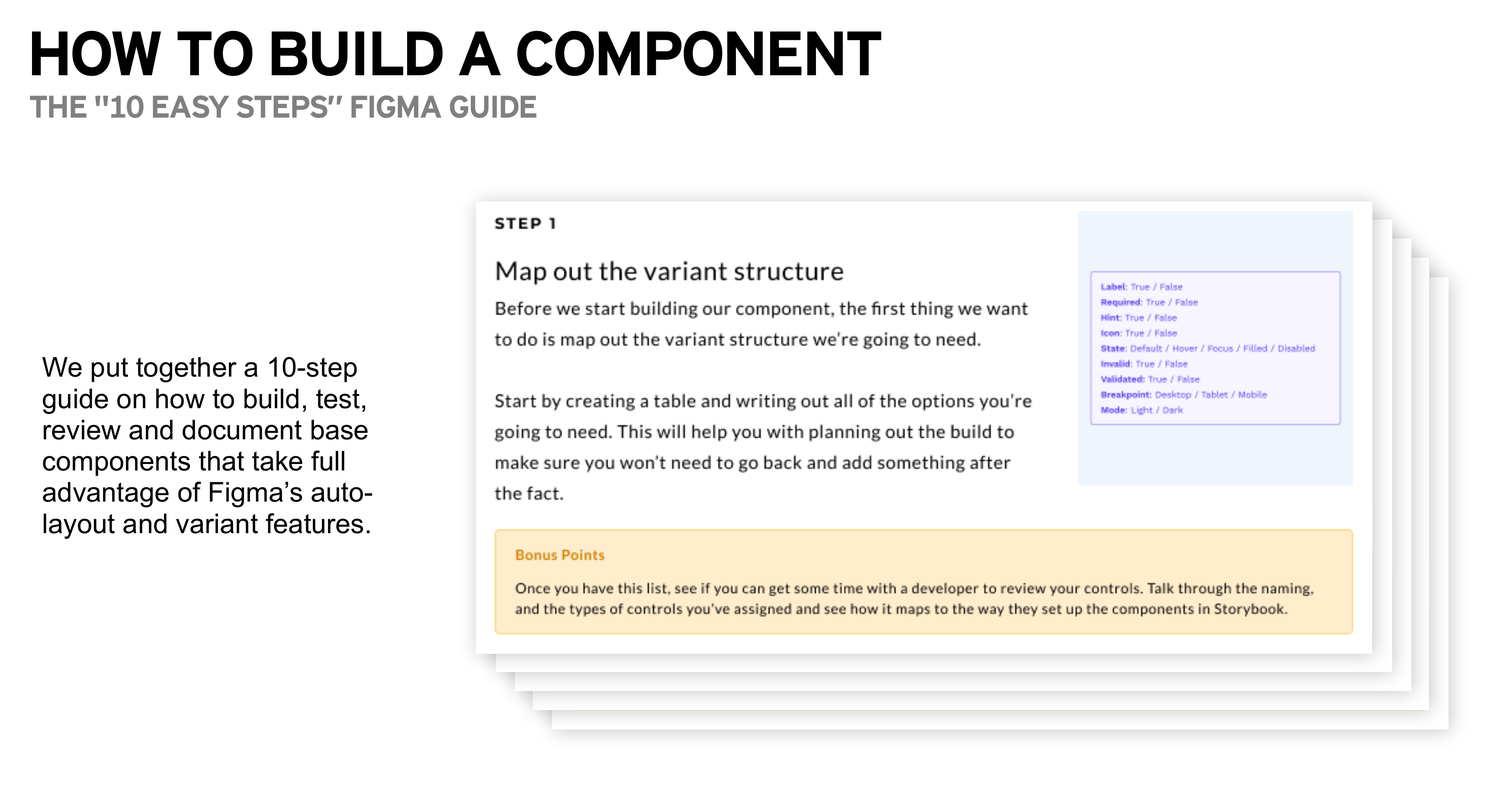
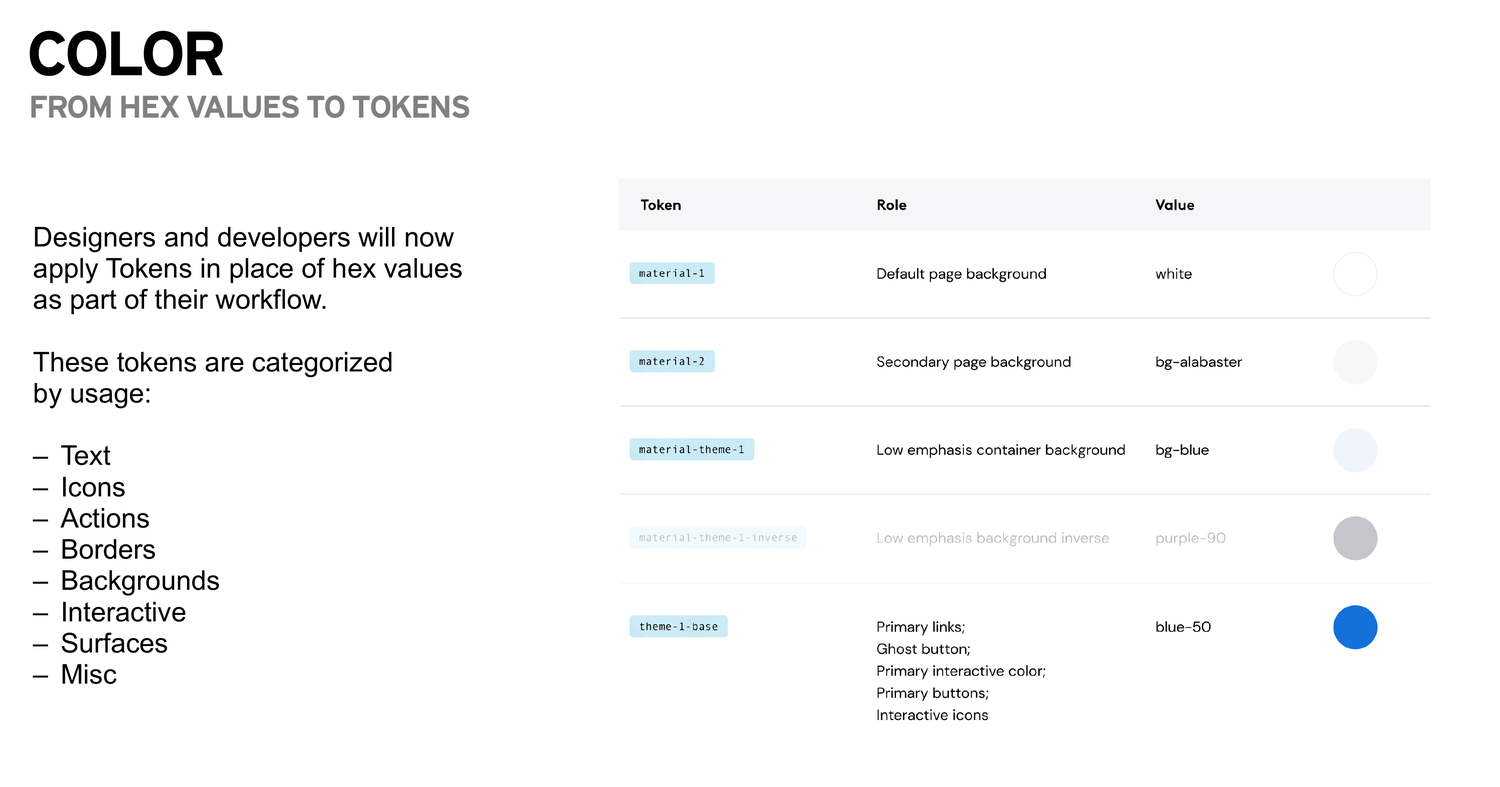
We audited what existed, then rebuilt the library in Figma on atomic design: foundations, atoms, molecules, organisms, on a sprint cadence running from September 2021. Hex values became semantic tokens. Documentation moved to Zeroheight for public readability. A governance board replaced ad-hoc review, and a Figma-to-code pipeline pushed tokens into consuming applications.
The decisions
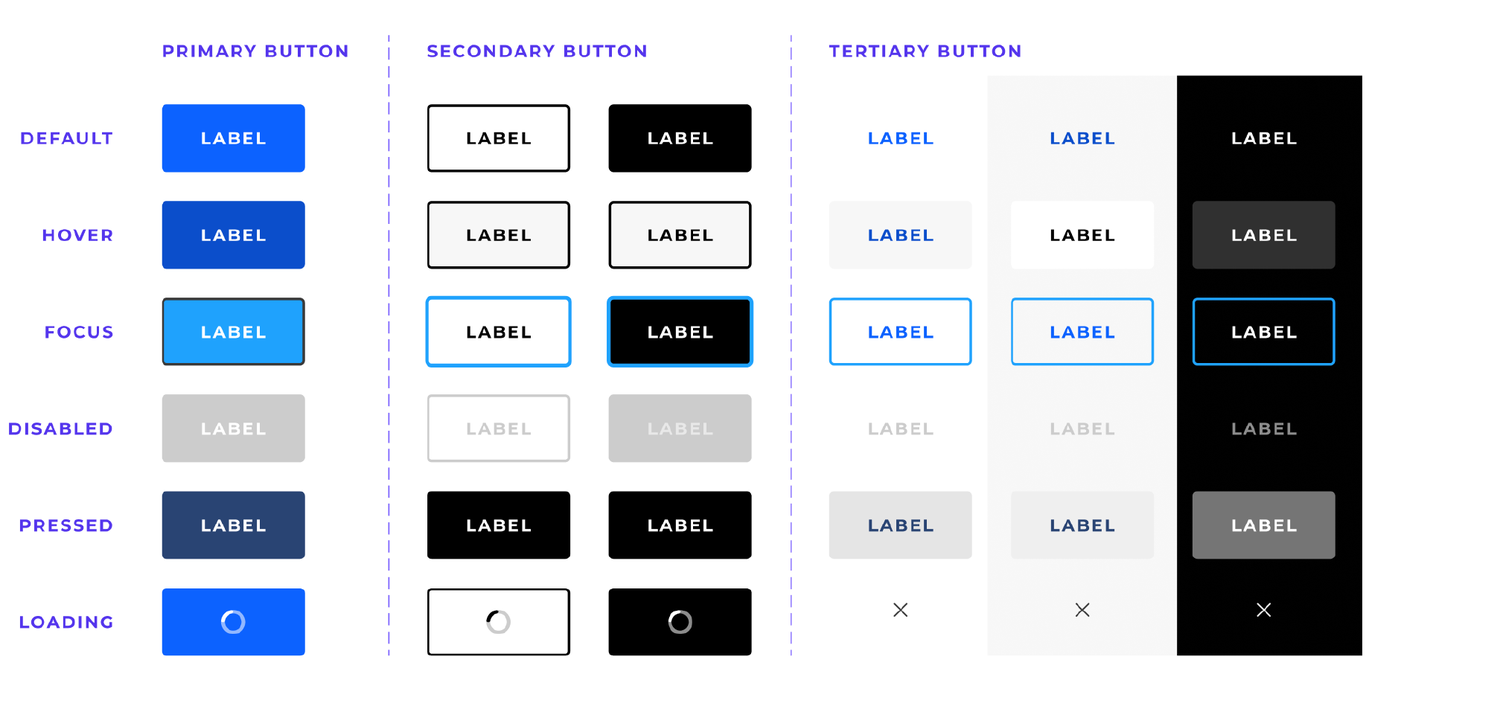
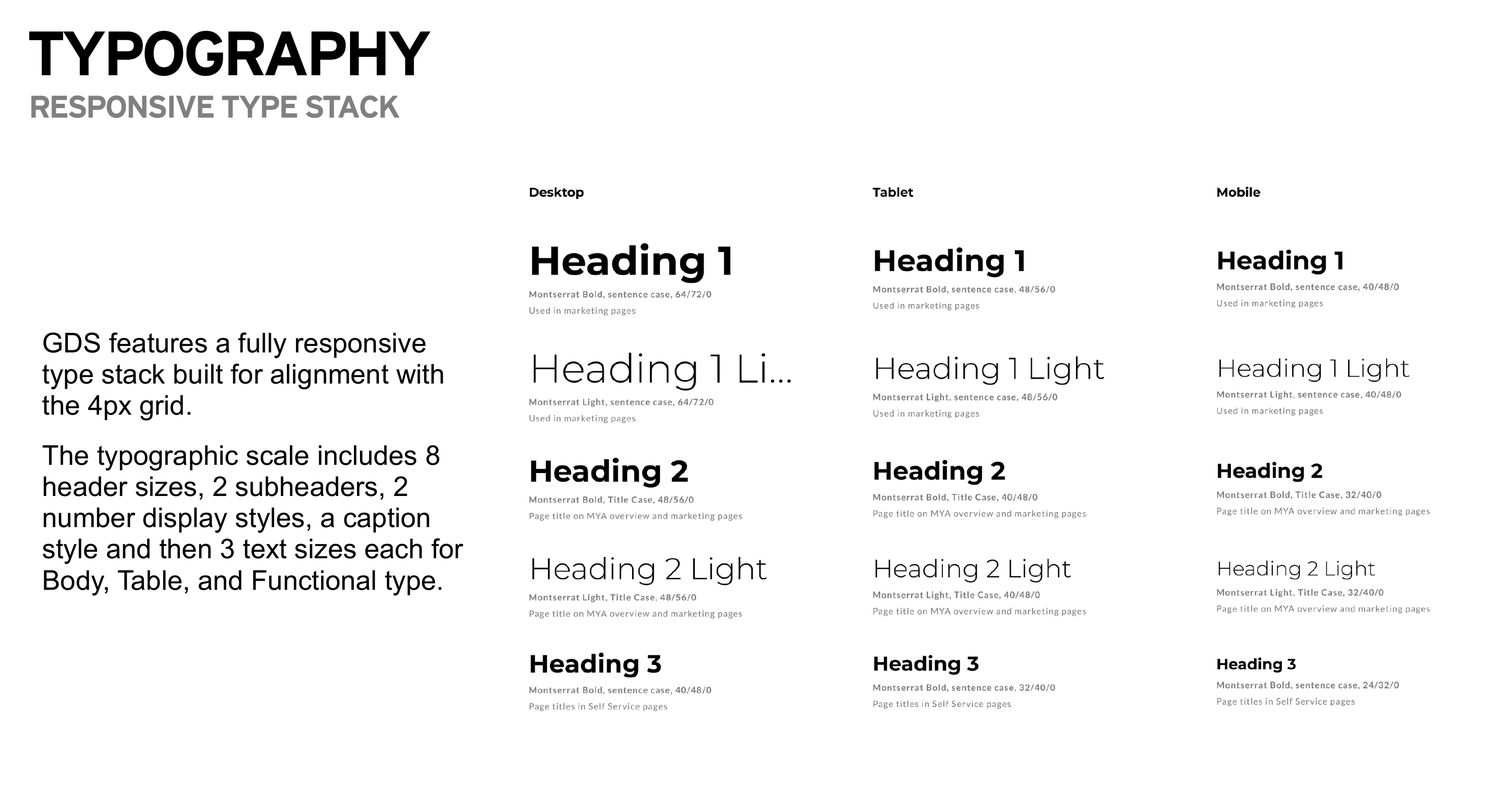
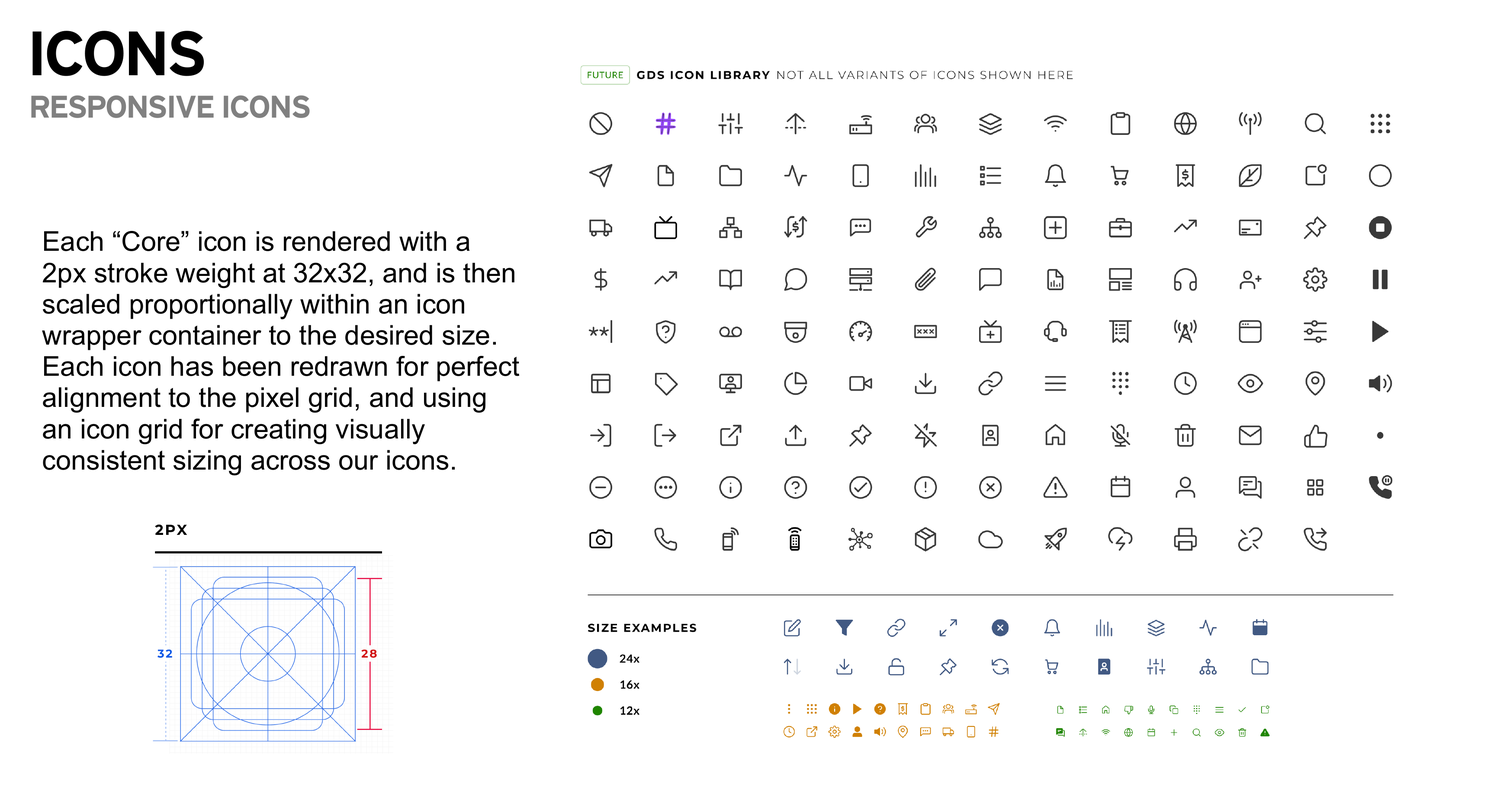
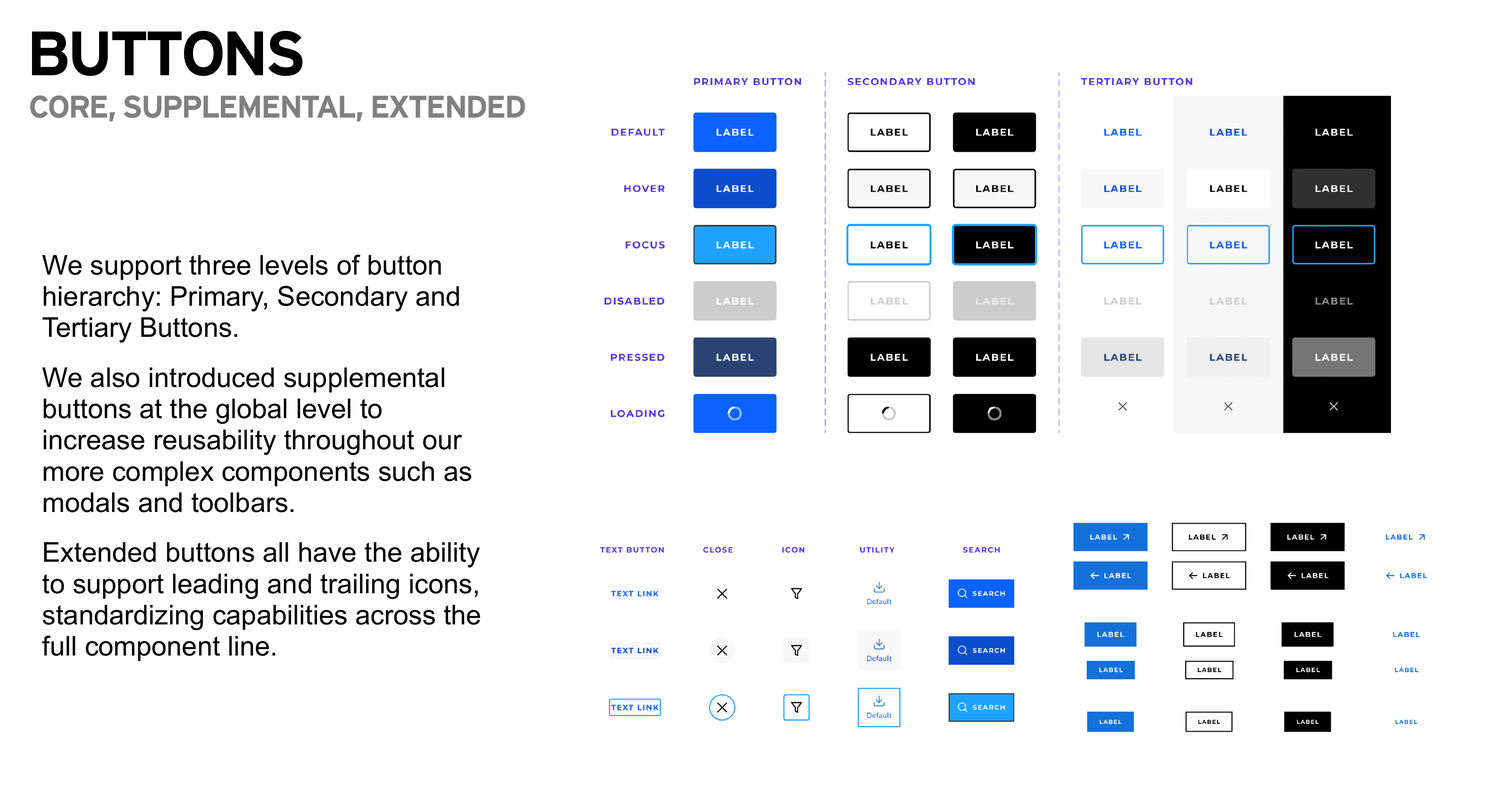
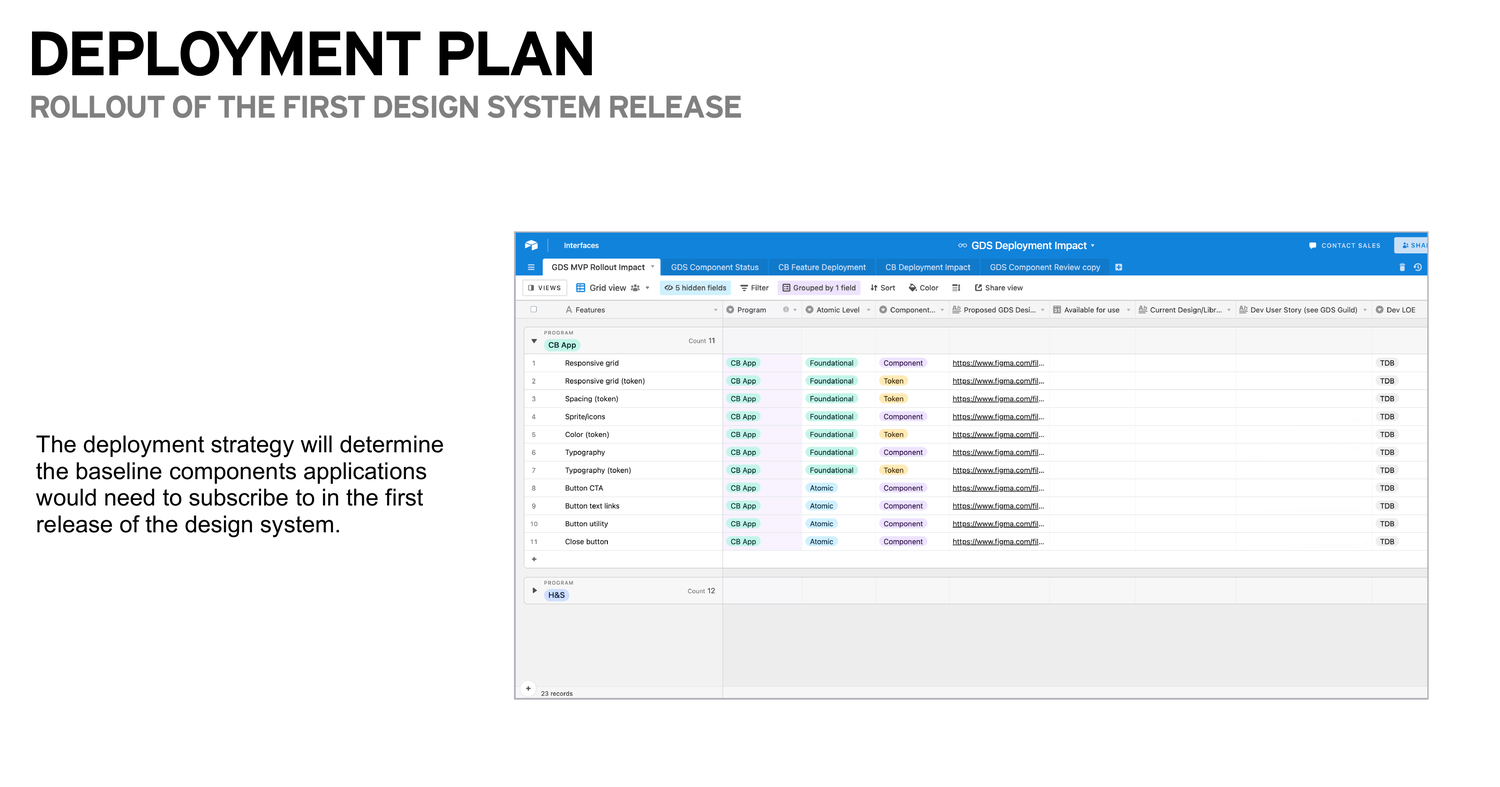
We scoped an MVP of five components rather than a complete library. Grid, icons, color, type and buttons, chosen on customer impact against build effort and applications could opt out of one where effort was high and experience impact low. A system nobody can adopt on schedule is not a system.
We moved the documentation out from behind SSO. The old guidelines were unreachable for the agencies and contractors doing much of the work. Publishing the source of truth cost some control and bought actual usage.
We tied adoption to existing feature roadmaps instead of asking for a migration project. No program had budget for “adopt the design system.” Components rode in on work already funded independently where they could, in coordinated sprint windows where a change had to land everywhere at once.
We chose the first applications to onboard by stack age, not by importance. New applications and modern stacks first, anything near end-of-life excluded. An early adopter that succeeds is worth more than an early adopter that matters.
The outcome
By mid-2022 the foundations, atoms and molecules were designed and building, with the MVP set scheduled into 2023 feature roadmaps and tokens flowing from Figma into consuming applications. What was handed over was a “design system as a service” governance, documentation standards, library structure, delivery process and technology approach, rather than a component library, so it could keep running without the team that built it.